Diabetic retinopathy
Diabetic retinopathy is damage to the tiny blood vessels of the retina caused by diabetes. It can threaten vision, but early disease often has no noticeable symptoms.
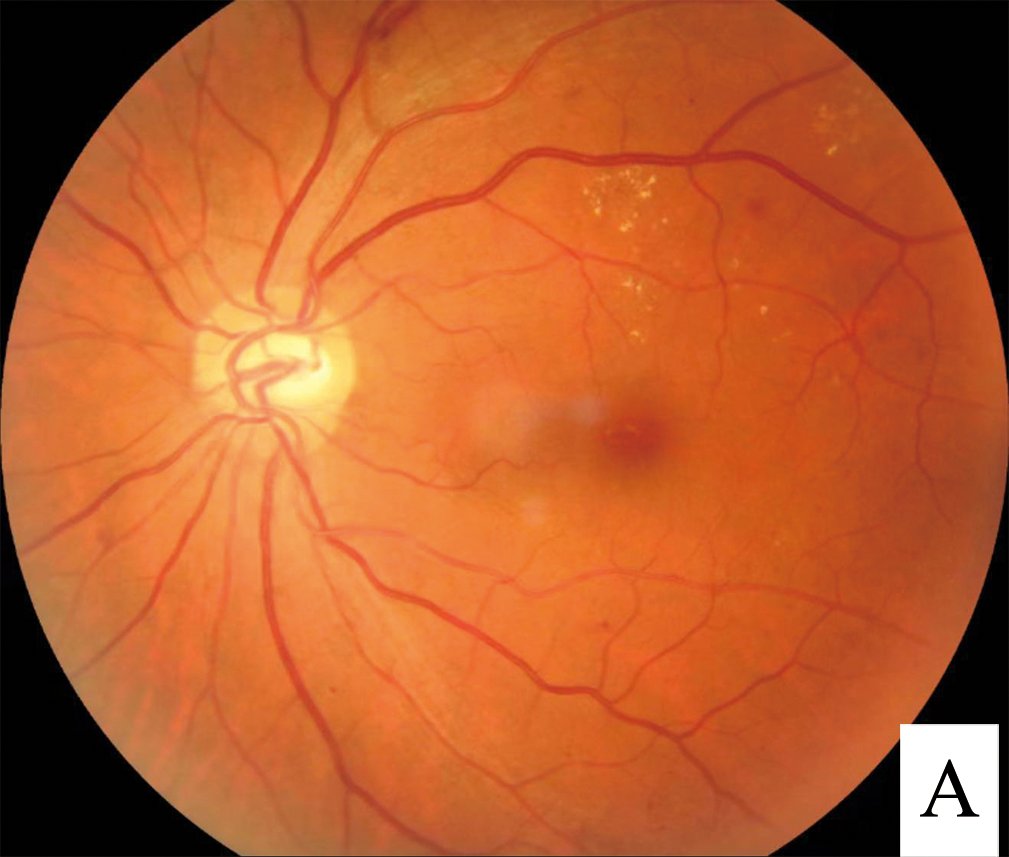 Fundus photograph showing signs of diabetic retinopathy. By Shaofeng Hao and colleagues; Wikimedia Commons, licensed CC BY 4.0. No changes made.
Why regular screening matters
High blood sugar can gradually damage retinal blood vessels. They may become blocked, leak fluid or bleed; abnormal new blood vessels can develop in more advanced disease. Diabetic macular oedema, swelling in the central retina, can also blur vision. Because these changes may develop before sight is affected, screening can detect disease in time to protect vision.
Who needs an eye examination?
Everyone with diabetes—type 1, type 2 or diabetes in pregnancy—needs a comprehensive dilated eye examination at the interval recommended by their diabetes and eye-care teams. Many people need this at least yearly; the schedule may be more frequent when retinopathy is present or during pregnancy.
Possible symptoms
- Blurred or fluctuating vision
- New floaters, spots or dark strings in the vision
- Difficulty reading or seeing at a distance
- Sudden worsening of vision in later disease
Do not wait for symptoms. Early diabetic retinopathy can be present even when vision seems normal.
Protecting your eyes
Managing diabetes, blood pressure and cholesterol helps reduce the risk of vision loss. Work with your physician or diabetes team on an individual blood-glucose and HbA1c plan, take prescribed medicines, and attend both diabetes and eye appointments.
Treatment when needed
Early retinopathy may only need careful monitoring. If disease threatens sight, treatment may include medicines injected into the eye, laser treatment or surgery called vitrectomy. These treatments aim to prevent further loss; the right choice depends on the location and severity of retinal changes.